Is it Safe to Buy Refurbished Laptops? What you need to know before you buy
May 18th 2026
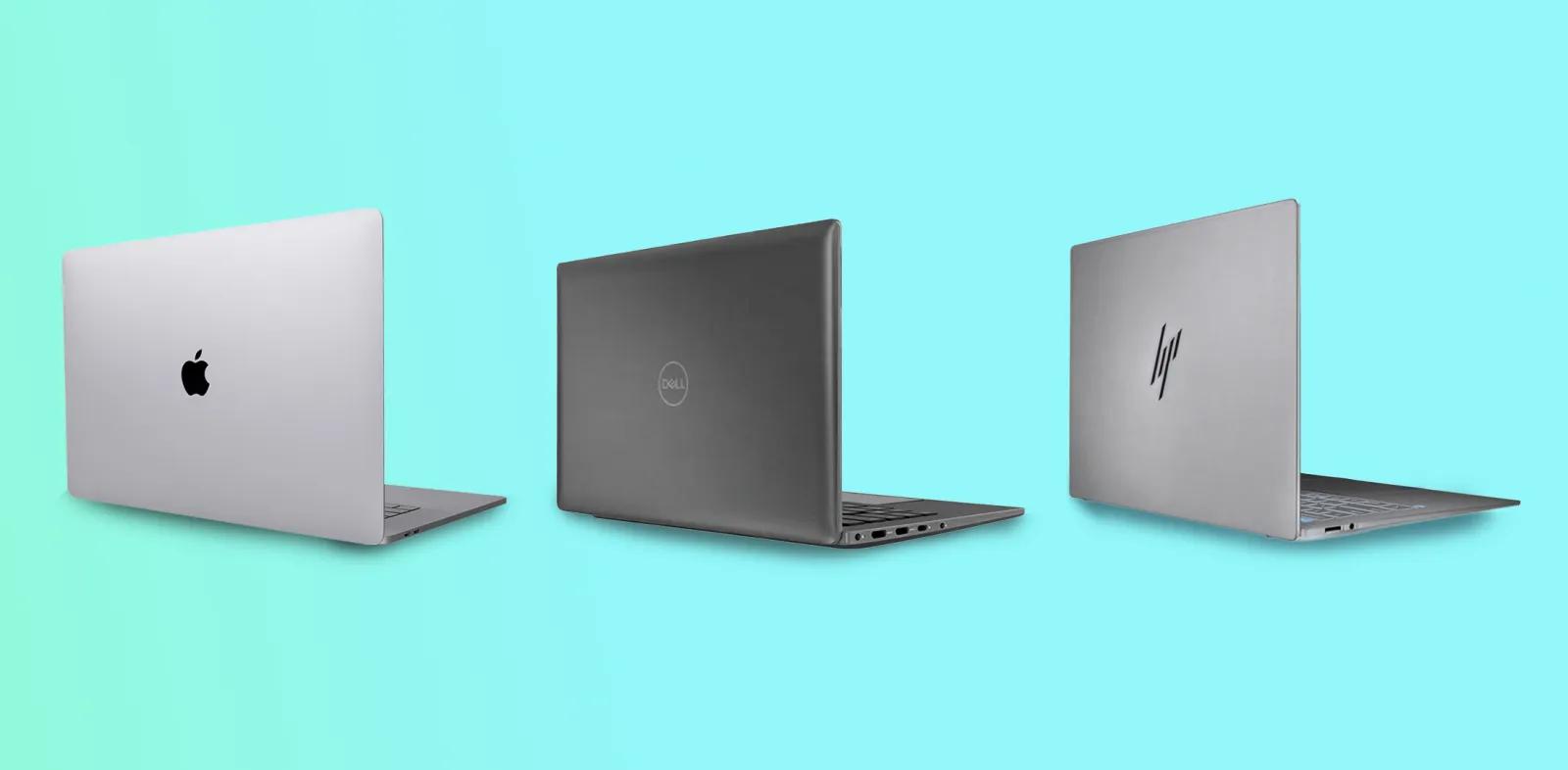

Refurbished laptops have moved well past the era of mystery boxes and crossed fingers. Today, millions of people buy refurbished tech every year, and for good reason: the prices are significantly lower, the quality is often indistinguishable from new, and the environmental case is hard to argue with. Still, the question comes up constantly — is it actually safe to buy a refurbished laptop?
The honest answer is yes, with the right seller and the right expectations. This guide covers what refurbished actually means, what to look for before you buy, which brands hold up best, and how to avoid the handful of pitfalls that give refurbished a bad name.
TL;DR
- Refurbished laptops are safe to buy when purchased from a reputable seller that tests, repairs, and grades devices before listing them.
- "Refurbished" is not the same as "used" — professionally refurbished laptops go through inspection and quality checks that a private secondhand sale does not.
- MacBook, Dell, Lenovo, and HP all have strong refurbished track records and are widely available.
- Battery health and cosmetic condition are the two things worth checking most carefully before purchasing.
- Buying refurbished from a trusted platform typically includes a warranty, which removes most of the risk.
What does "refurbished" actually mean?
The word refurbished gets used loosely, so it is worth being precise. A professionally refurbished laptop has been returned, traded in, or taken out of a corporate fleet, then inspected, cleaned, repaired where needed, and tested to confirm it functions correctly. Any faulty components are replaced before the device is listed for sale. This is a meaningfully different process from buying a used laptop from a stranger online.
Most reputable refurbishers also grade devices by cosmetic condition, typically on a scale from "like new" to "good" to "fair." A "like new" or "excellent" grade means minimal to no visible wear. A "good" grade might have light scratches that have no effect on performance. Understanding the grading system of wherever you are buying from is one of the most practical things you can do before purchasing.
Is a refurbished laptop as good as a new one?
For the vast majority of everyday tasks — browsing, writing, video calls, spreadsheets, light creative work — a refurbished laptop performs identically to a new one. The processor does not slow down with age. The storage does not degrade noticeably. What does change over time is battery capacity, which is why reputable sellers either replace the battery before listing or are transparent about its current health percentage.
The main difference is cosmetic. A refurbished laptop may have light signs of prior use that a brand-new device would not. For most people, this is an easy trade to make in exchange for paying significantly less. If cosmetic condition matters to you, look for sellers that provide detailed grading descriptions and photos of the actual device.
Best refurbished laptop brands ranked: MacBook, Dell, Lenovo, and HP
Not all brands refurbish equally well. Build quality, parts availability, and software longevity all affect how good a refurbished laptop actually is years after its original release. Here are the four brands most consistently worth buying refurbished, ranked by overall reliability and value.
- Apple MacBook — Best overall for longevity and resale value
- Lenovo ThinkPad — Best for durability and business use
- Dell XPS / Latitude — Best for Windows performance and serviceability
- HP Spectre / EliteBook — Best budget-to-performance ratio
Apple MacBooks consistently top the refurbished market. Apple's long software support window means a two or three year old MacBook Air or MacBook Pro still runs the latest macOS smoothly and feels premium in hand. The aluminium build ages well and the keyboards and trackpads rarely cause problems. Lenovo ThinkPads have one of the strongest refurbished reputations of any laptop brand — built for durability, widely used in corporate environments, and designed to be serviced, they tend to come off-lease in excellent condition. Dell's XPS and Latitude lines are strong choices for Windows users who want a high-build-quality machine that was designed to last. For budget-conscious buyers, HP's range offers solid options across a wide price band, from reliable everyday laptops to the more capable Spectre and EliteBook models.
Refurbished laptop brand comparison: which is right for you?
Each brand suits a different type of buyer. Here is how MacBook, Lenovo, Dell, and HP compare across the factors that matter most when buying refurbished.
| Brand | Best for | Refurbished availability | Software support | Typical savings vs. new |
|---|---|---|---|---|
| Apple MacBook | Creative work, students, longevity | High | macOS updates for 7+ years | 25–40% |
| Lenovo ThinkPad | Business, durability, travel | Very high | Windows updates for 5+ years | 40–60% |
| Dell XPS / Latitude | Performance, Windows users | High | Windows updates for 5+ years | 35–55% |
| HP Spectre / EliteBook | Budget-conscious buyers, everyday use | High | Windows updates for 5+ years | 40–60% |
What should you check before buying a refurbished laptop?
Battery coverage is one of the first things to understand, and with a certified refurbished laptop it is straightforward. Every Reebelo device with a battery comes with at least 80 percent capacity for reliable daily use, and many models offer an upgrade option to 100 percent. Rather than hunting for a battery health figure on the listing, you are protected by the warranty: batteries are covered for up to 12 months against failure and overheating, and if the battery drains within the first 3 months to more than 10 percent below the tier you selected, you can return the device for a full refund. After the coverage period, Reebelo can connect you with trusted repair partners for discounted battery replacements.
Beyond the battery, here is a practical checklist of what to confirm before completing a purchase:
- Return policy — 30 days is the standard to look for
- Warranty — up to 12 months should be included as standard
- Cosmetic grade — understand what "good" or "excellent" means for that specific seller
- What the seller tests — keyboard, ports, screen, speakers, and charging should all be verified
- Storage and RAM — confirm the specs match what you need before buying
Refurbished vs. used: what is the difference?
This distinction matters more than most buyers realise. A used laptop listed on a private marketplace has been owned by someone and is now being resold with no inspection, no repair process, no grading, and typically no warranty. What you see is what you get, and what you get depends entirely on how the previous owner treated the device.
A professionally refurbished laptop has gone through a defined process before it reaches you. Faults are identified and fixed. The device is cleaned and graded honestly. In many cases, components like batteries or storage drives are replaced. The price is lower than new, but the buying experience is far closer to buying new than a private secondhand sale could offer.
What are people actually saying about buying refurbished laptops?
On Reddit's r/laptops r/refurbished communities, the consensus among people who have bought refurbished is largely positive, with one consistent piece of advice running through almost every thread: buy from a seller with a clear return policy and a real warranty, and you take most of the risk off the table. The experiences that go badly almost always trace back to private marketplace purchases rather than established refurbished platforms.
A common sentiment across these discussions is that the savings on a refurbished ThinkPad or MacBook Air are hard to justify not taking, particularly for students or anyone who does not need the absolute latest specs. The recurring warning is to check battery health before committing — something buyers who skipped that step consistently mention in hindsight.
Is buying a refurbished laptop worth it?
For most people, yes. The savings are real: a refurbished MacBook Air or Dell XPS will typically cost 30 to 50 percent less than the same model bought new. For a student, a remote worker, or anyone who needs a reliable laptop without paying flagship retail prices, that difference is substantial. The performance on everyday tasks is the same, the software support window is largely unaffected, and a warranty means you are not taking on all the risk yourself.
The cases where refurbished is a harder sell are narrower than most people expect. If you need the absolute latest chip for video editing or machine learning workloads, buying new makes more sense. If you need a specific configuration that is hard to find refurbished, that is a genuine constraint. For everyone else, refurbished is a practical choice that becomes easier to make the more closely you look at it.
Frequently asked questions
Are refurbished laptops reliable?
Yes, when bought from a reputable seller. Professionally refurbished laptops go through inspection, testing, and repair before being sold, which means faults are identified and resolved before the device reaches you. The reliability of a refurbished laptop is much closer to a new device than a used one, particularly when a warranty is included.
How long will a refurbished laptop last?
A refurbished laptop will last as long as the hardware supports it. A refurbished MacBook from two or three years ago will typically receive software updates for several more years. A refurbished ThinkPad or Dell from a recent corporate fleet can easily last another four to five years of regular use. Battery health is usually the first thing to show age, which is why it is worth checking before you buy.
Do refurbished laptops come with a warranty?
They should. Any reputable refurbished seller will include a warranty — typically 12 months — that covers hardware faults. If a seller does not offer a warranty, that is a significant red flag. A warranty is the clearest signal that a seller stands behind what they are selling.
What is the best refurbished laptop brand to buy?
Apple MacBooks and Lenovo ThinkPads are the two most consistently recommended refurbished laptop brands. MacBooks offer the best longevity and software support. ThinkPads offer exceptional durability and value. Dell and HP are strong alternatives depending on your budget and use case.
Is it safe to buy a refurbished laptop online?
Yes, provided you buy from a platform that clearly describes its refurbishment process, grades devices by condition, offers a return window, and includes a warranty. The risk in buying refurbished laptops online comes almost entirely from unverified private sellers, not from established refurbished platforms.
Final thoughts: is it safe to buy a refurbished laptop?
The concerns that once made people hesitant about refurbished laptops — unknown history, unreliable condition, no recourse if something went wrong — are largely addressed by buying from a seller with a defined refurbishment process, honest grading, and a warranty. The savings are significant, the performance difference for most tasks is negligible, and the environmental benefit of extending a device's life is real.
If you are ready to find the right fit, browse refurbished laptops on Reebelo across MacBook, Dell, Lenovo, HP, and more. Every device is quality-checked before it is listed, so you know exactly what you are getting before it arrives.
Popular posts
- 1

How To Take Care of Your Refurbished PlayStation 5
Jul 28th 2026
- 2

iPhone 16 vs. iPhone 17? Which One Should You Buy?
Jul 28th 2026
- 3

Is Buying a Refurbished iPad Mini a Good Idea?
Jul 22nd 2026


© Reebelo Blue | ABN 52 641 662 197 | GST Registered


